Das Fairphone (Gen. 6+)





Fairphone
19 November 2026
5
min read
Share this article
Here's how we tuned the Fairbuds 2
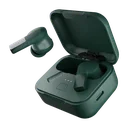
Better sound does not happen by accident. Behind every guitar riff, bassline thump, and vocal crescendo is a careful balancing act between physics, data, and human ears. When designing Fairbuds 2, the goal was simple; deliver noticeably richer, clearer audio than our first-generation earbuds, while still keeping them easy to repair and easy to maintain. We already had a handle on the modular design side of things. For the sonics, we worked with Florent Gatin from the Rotterdam-based acoustic engineering studio, Form Follows Frequency. We recently sat down with Florent to understand the science and craft behind the tuning process, and here’s what we learned.
Q: First things first. Having worked closely on both generations, how does the sound of the Fairbuds 2 compare to the original Fairbuds?
The first-generation Fairbuds were solid, everyday earbuds, but they had a steep drop-off in the high frequencies due to driver and housing geometry limitations. When you lose those upper frequencies, instruments like violins in classical music can feel muted, and acoustic guitars lose that natural sense of airiness. On the original model, I would boost the upper-midrange frequencies to compensate.
With the Fairbuds 2, we solved that hardware bottleneck. You get a much more open, natural top end, better overall sound quality, and the price actually went down. Most manufacturers make tiny tweaks between generations and hike up the price. Being able to achieve the opposite is what made this project special.
Q: The Fairbuds 2 switches from titanium drivers to biocellulose drivers. What difference does that make to the sound?
Florent: Think of it like the difference between stiff metal speaker cones and classic paper cones. Titanium is very rigid, which gives you sharp, precise transients. That’s great for short listening sessions, though it can become fatiguing over a two-hour commute or workday.
Biocellulose is a natural, more compliant material. It has a bit more give, which translates into a smoother, warmer, and far more natural sound signature that is easier on the ears, especially when you’re plugged in for longer. There’s also the added bonus that biocellulose aligned naturally with Fairphone’s broader sustainability goals.
Q: How do you actually begin tuning a brand-new pair of earbuds? Where do you start?
It always starts with hardware testing. I compare different driver samples inside the exact same earbud housing and amplifier setup to see how they perform side by side.
From there, I move to objective measurements using a specialized test jig fitted with two artificial ears. You cannot just hold a microphone up to an earbud like a standard speaker, because the human ear canal has a resonant cavity that shapes how we hear sound, known as a transfer function. What I do is place the earbuds in the artificial ears, measure the frequency response, and then reposition them three to five times to average the results. Getting a consistent, tight seal is also critical. If there is even a tiny air leak during testing, the bass drops off, which could trick an engineer into over-boosting the low end for real-world listeners.
Q: Once the lab measurements are dialed in, how do you bring the human element into the tuning?
Data gives you a reliable baseline. But that’s not enough. There needs to be that personal touch, the soul, so to speak.
For the default sound profile, Fairphone wanted something close to the Harman curve. For non-audiophiles, that’s a well-known acoustic benchmark based on extensive research into what sound signature most listeners prefer on headphones and earbuds. So I start by tuning close to the Harman target, and then I put the measurement rig aside and rely on my own ears. I have a personal reference playlist of around 50 tracks that I have listened to hundreds of times across dozens of different sound systems. Using songs I know inside and out lets me make subtle, subjective adjustments until the music feels alive and balanced rather than just flat on a graph.
Q: The Fairbuds 2 is also our first pair of wireless earbuds to offer LDAC support and boasts much better noise cancellation compared to its predecessor. How do those features factor into your process?
Even though LDAC unlocks higher-resolution wireless audio on compatible devices, I actually do the vast majority of my tuning over the standard A2DP codec. If the earbuds sound great on a standard Bluetooth connection that everyone uses, you know the foundation is rock solid. Switching to LDAC then simply elevates that performance even further.
As for ANC, turning noise cancellation on or off physically changes the acoustic behavior inside the earbud. We verify the test firmware to make sure the built-in equalization accurately counteracts that shift, so your music stays consistent whether noise cancellation is active or switched off.
Q: For listeners who like to customize their audio in the app, which preset do you personally use. Do you have any tips for tweaking the EQ?
My personal go-to is actually the Neutral preset. The default profile has a touch of extra bass warmth that most people enjoy out of the box, whereas Neutral gives you a pure, uncolored representation of the recording.
If you decide to build your own custom EQ in the app, my biggest piece of advice is to cut rather than boost. Don’t push frequencies up. This can introduce distortion and eat into your audio headroom. Instead, try gently lowering the frequencies you want less of, and then turn up your volume slightly. Your music will sound much cleaner.
The Fairbuds 2 are now available on fairphone.com. Hear the difference for yourself.
Latest stories
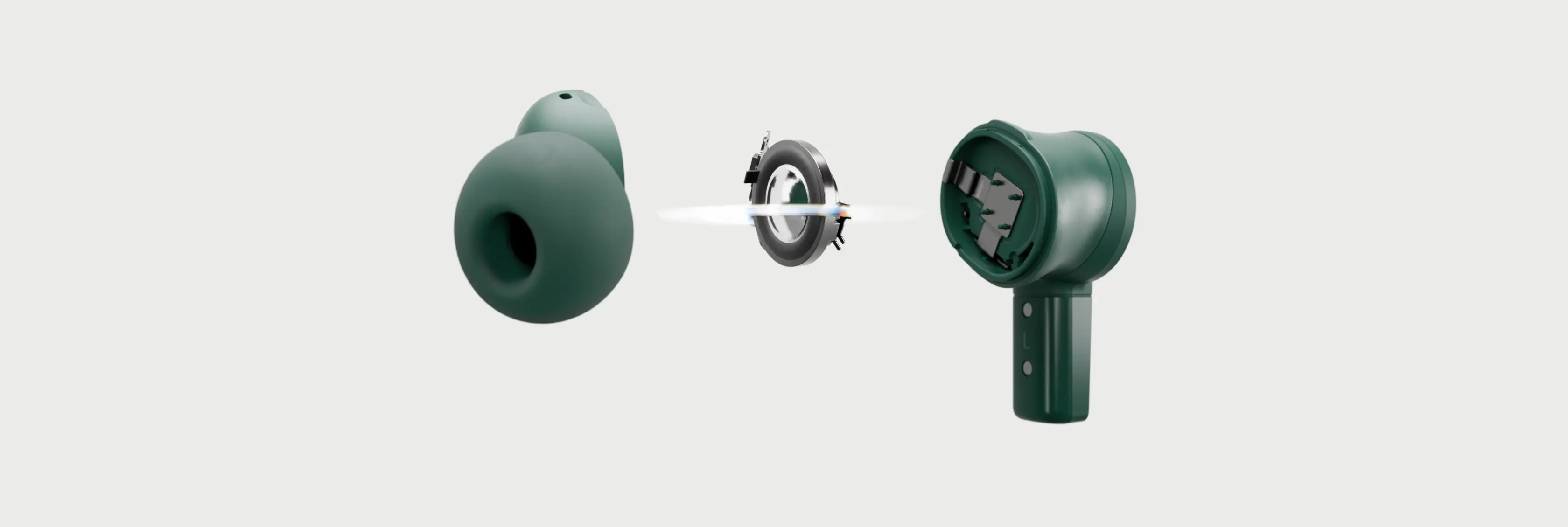
Here's how we tuned the Fairbuds 2
We sat down with audio engineer Florent Gatin from Form Follows Frequency to learn more about their approach to fine-tuning the Fairbuds 2.
Read more
Modularity has its limits (and that's okay)
“When will Fairphone make a truly modular phone? One that can be infinitely upgraded forever.” This is a sentiment that
Read more
Fairphone 1: Still going strong after 13 years
November brings the familiar hum of the electronics industry gearing up for its biggest ritual: Black Friday. Billboards flash with
Read more