De Fairphone (Gen. 6+)








Chandler Hatton
CTO
13 November 2026
4
min read
Share this article
Modularity has its limits (and that's okay)
“When will Fairphone make a truly modular phone? One that can be infinitely upgraded forever.”
This is a sentiment that we encounter across a lot of comments that regularly pop up on our social media channels. And while what is being described is the holy grail, the reality behind making this a reality is just as mythical (for now).
It was in 2012 that Google first announced Project Ara. The idea was simple and captivating. A smartphone with a sleek frame where you could add and remove component “blocks”: pop out a camera, slide in a faster processor, or swap a bigger battery whenever you wanted, forever. A phone that would never grow old. It was a brilliant dream. But as the years went by, development ran into a hard wall. By 2016, the project was dead.
Why is it so hard? To make a phone infinitely upgradeable, every single block needs its own housing, its own connectors, its own software protocols, and pin-to-pin alignment. Before you know it, your sleek pocket companion becomes heavy, expensive, and incredibly complex to keep running smoothly.
Upgradability should not be at the cost of longevity
At Fairphone, we love modularity. It’s in our DNA. But we also believe in modularity that works in the real world.
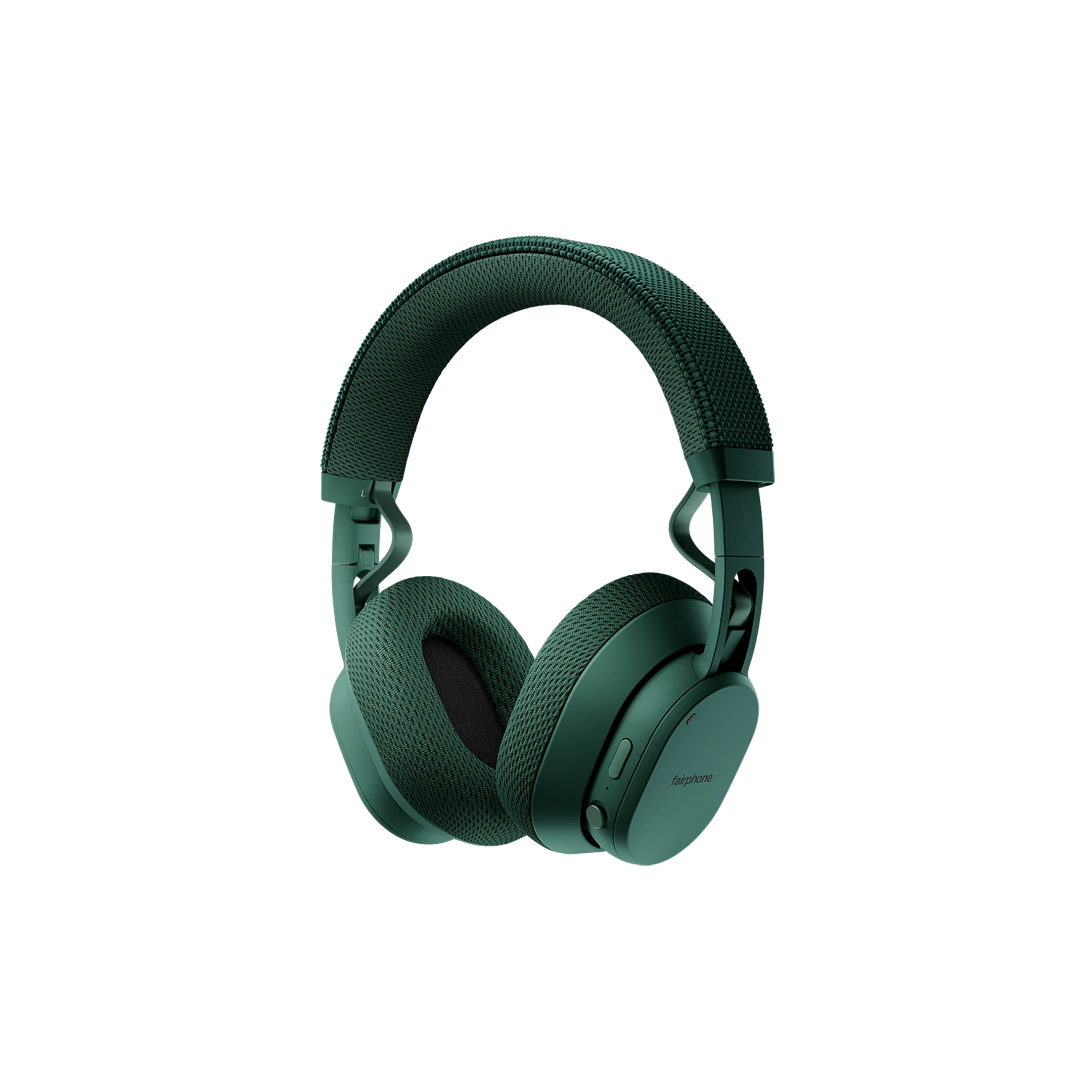
Take our audio products, like the Fairbuds XL. When we designed the 2025 Fairbuds XL, we upgraded the speaker drivers for richer, better sound and introduced updated materials for higher comfort. But because of how headphone architecture works, we were able to make those brand-new 2025 drivers backwards compatible with the original 2023 edition. Owners of the original device could simply swap in the new drivers and get next-gen audio performance on their existing pair.
Smartphones are a different beast. Inside a phone, components are packed together with tight tolerances. Software, processors, display controllers, and camera algorithms are deeply intertwined. Components are sometimes integrated together in the interest of saving space or lowering the product carbon footprint. Trying to make every camera or chipset perpetually upgradeable across generations quickly inflates costs and creates software and hardware bottlenecks. The fact that we were able to achieve this when we released upgradeable camera modules with the Fairphone 3+ for existing Fairphone 3 owners despite the technological challenges is something we are very proud of, even today. So when the Fairphone 5 came out, we figured out a more practical way to upgrade the camera experience for existing Fairphone 4 owners by deploying over-the-air updates that matched the Fairphone 5’s camera performance.
Practical modularity is about designing for longevity
We also have to acknowledge that technology is a constantly changing beast. If we try to freeze in place the technology of 2026, customers in 2046 might miss out on innovations that might be more prevalent. For context, look back at phone designs in 2005, and you won’t find a phone without a keypad! That’s why we prioritize practical modularity. The kind that keeps a phone in your pocket for six to eight years instead of two.
- - Repair over replace: Ports get jammed, screens crack, and batteries lose capacity over time. By making these high-wear parts modular and easily swappable using one simple screwdriver, we eliminate the need to replace an entire phone over a €20 fix.
- - Screws over glue: Most modern smartphones are glued shut to make them marginally thinner. We design from the ground up using standardized screws and accessible modules, keeping repairs fast and straightforward on your kitchen counter.
- - Smarter spec planning: Rather than relying on modular hardware upgrades for performance, we future-proof our core specs upfront by combining sufficient RAM, long-term processor performance, and up to eight years of software support to keep the device fast and secure over time.
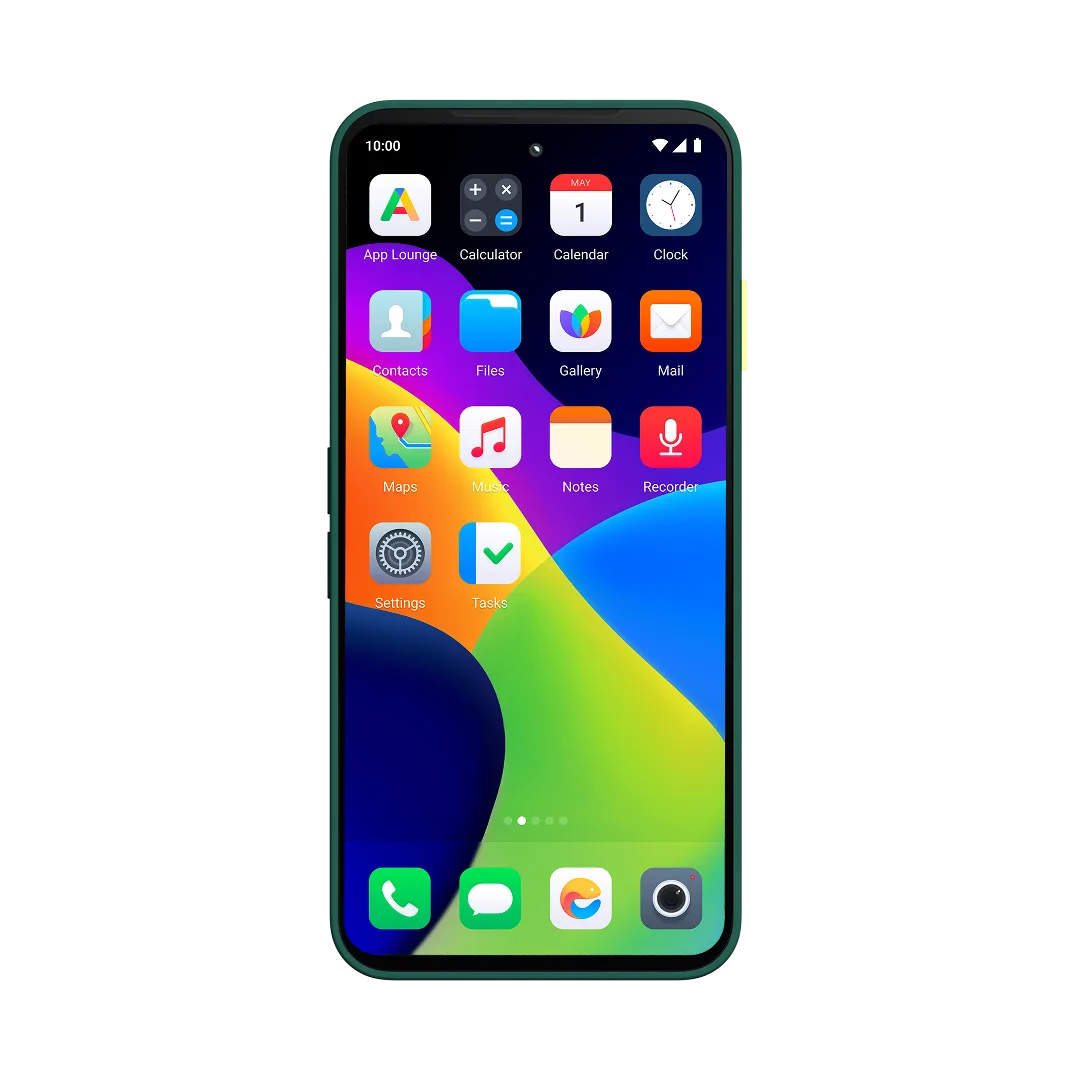
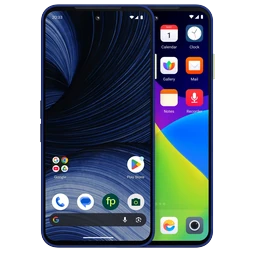
- - Modularity inside and out: With the Fairphone (Gen. 6), we introduced modular accessories that are fun and functional, making your phone even more useful to you in your day-to-day life. This is a line we are continuously looking to expand.
We’re excited about the ideas floated by tech allies who’ve launched ambitious projects to extend product life spans and eliminate hardware waste. Sustainable tech isn't one-size-fits-all, and different approaches help move the entire industry forward. At Fairphone, our current focus centers on practical modularity; building robust, easily repairable phones designed to stay in your pocket for two to three times the industry average without adding unnecessary complexity to your daily setup. We believe modularity should be an empowering tool that gives you true ownership over your device, putting you firmly in control. And if it helps lower your overall total cost of ownership while keeping e-waste out of landfills, we see that as an added bonus.
For us, it’s about getting you as much time as possible with your device. Device longevity always.
Latest stories

Modularity has its limits (and that's okay)
“When will Fairphone make a truly modular phone? One that can be infinitely upgraded forever.” This is a sentiment that
Read more
Fairphone 1: Still going strong after 13 years
November brings the familiar hum of the electronics industry gearing up for its biggest ritual: Black Friday. Billboards flash with
Read more
Fairbuds 2: Certifiably better in many ways
The Fairbuds 2 that launched a few weeks back is many steps ahead of its predecessor, not only when it
Read more